
SME law firms on the high street are going through a difficult transition. This matters, as these firms remain central to access to justice, local economies and community legal support. If they struggle, it does not just affect individual businesses – it affects the wider justice system.
This is something I see first-hand through my own experience as Managing Director of an SME law firm.
The pressures of navigating
- rising costs
- increasing regulatory complexity
- recruitment and retention pressures
- rapid change in AI and technology
- evolving expectations around wellbeing and flexibility
are constant realities, alongside the day-to-day responsibility of delivering legal services to clients and the community. All while often relying on a relatively small number of individuals carrying significant responsibility for keeping the business moving forward. These pressures exist across the profession, including within larger firms and in-house teams. But high street SME firms are uniquely exposed, while continuing to play a critical role in local delivery and access to justice.
Succession – the model has changed
For years, the traditional pathway to partnership created a natural conveyor belt of succession. That conveyor belt has now slowed dramatically. Expectations around careers, leadership, flexibility and wellbeing have shifted. Firms waiting for the old model to return are likely to be disappointed.
Succession now needs to be deliberate, structured and actively developed.
Talent – rebuilding the pipeline
Alongside succession, there is a wider issue around the talent pipeline for high street firms. We need to think differently about how people enter and progress within the profession. There is a clear case for funded Level 7 legal apprenticeship pathways to be available consistently across England and Wales and not restricted by age or entry point.
It is about building and retaining talent, creating more sustainable career structures, as part of developing a viable long-term model for the future.
Technology – from awareness to action
AI is already reshaping legal services. Most firms understand the challenge, but what many need now is practical support to implement change safely, proportionately and effectively.
I have raised these issues directly with Government, and there is clear recognition of –
- the importance of legal services
- the role of SME firms
- the impact of technology and AI
But the gap is increasingly obvious, as is the risk of creating a two-tier profession.
While guidance and discussion exist, there is still insufficient practical support that genuinely changes how firms operate day to day.
Wider pressures on high street firms
If we want high street firms to remain viable, Government needs to consider the cumulative impact of increasing cost pressures on SME practices.
This includes:
- rising regulatory and operational costs
- fee pressures
- proposals affecting income streams, including interest on client account funds
- potential increases in PC fees and Compensation Fund contributions, and associated compliance costs
Individually, these measures may be manageable, but collectively, they can materially affect the viability of smaller firms.
For some firms, income generated through client account interest is not incidental. It supports their ability to remain on the high street and continue delivering less commercially driven work, including legal aid and pro bono services.
If we are serious about protecting access to justice, these impacts need to form part of the conversation.
A practical bridge – the SME Accelerator
I have raised these issues directly with Government, and there is clear recognition of:
- the importance of legal services
- the role of SME firms
- the impact of technology and AI
The Law Society has developed a broad range of support for SME firms. In my experience, the missing piece is funding and practical training as to how firms translate that into their day-to-day businesses. Without that, the risk of a two-tier profession becomes more real. It is not enough simply to recognise legal services within the Industrial Strategy.
The focus now must be delivery. There is a clear role here for the Law Society, not only to support members, but to ensure Government translates policy into real and practical support for SME firms
I have proposed the development of an SME Accelerator Programme, aligned with Government and developed through the Law Society, to help bridge the gap between policy and practical implementation.
Focused on:
- financial resilience and operational decision-making
- leadership, supervision and succession
- safe and proportionate AI adoption
- cyber resilience and risk management
Delivered through:
- practical workshops and delivery sessions
- real tools and frameworks (including financial dashboards)
- direct engagement with firms
- testing, measuring and refining what works in practice
The programme would begin with a pilot — and then, built on evidence, scale with confidence across England and Wales.
Building momentum
I am keen to continue taking this forward. i have been encouraged by the number of colleagues, including fellow Law Society Council members and others across my wider network, who are both supportive of the concept and well placed to help shape practical delivery. This will only work if it is collaborative , bringing together the right expertise to create something that genuinely works in practice. Ultimately this is not just about growth but about keeping high street firms viable and protecting long-term access to justice.
If this resonates with you, or if you have experience and skill set that could help shape this further in practice, I would genuinely welcome the conversation.

Author Insight – Clive Thomas
Managing Director
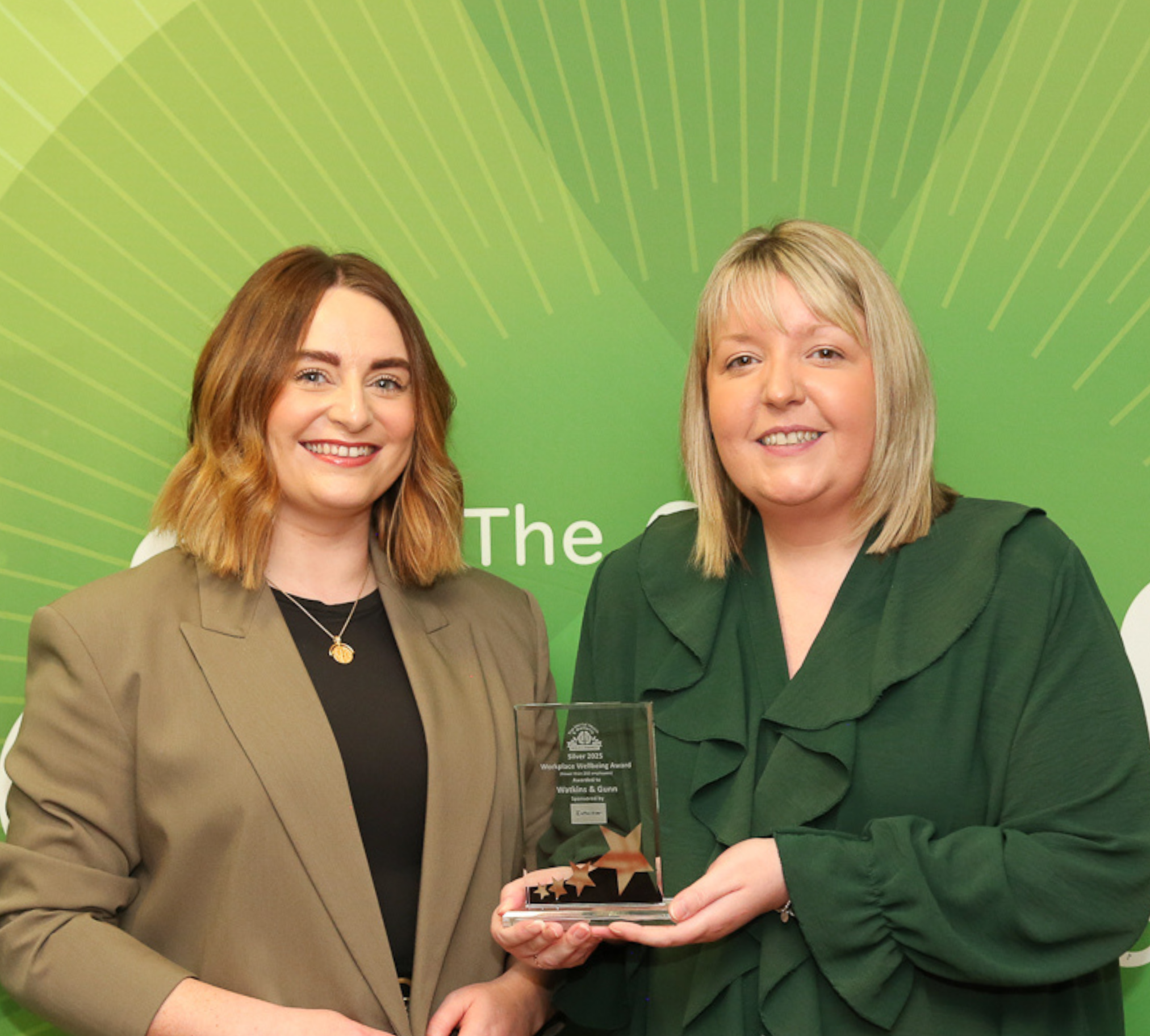
Clive Thomas is the Managing Director of Watkins & Gunn and Head of its Personal Injury Team. He is recognised in Legal 500 and as an Eminent Practitioner in Chambers & Partners.
Alongside his work with clients, Clive serves as a Law Society Council Member for South Wales, is a member of the National Board for Wales and leads the Managing Partners’ Group. He is also Legal Tech Chair for the Cardiff & District Law Society, where he is a former President, and serves on the Council of the Monmouthshire Law Society, having previously been President.